
Seafood is one of the fastest things you can cook for dinner, and with a few basics it is also one of the easiest. This guide explains how to pick good fish and shellfish at the counter, how to store and thaw it safely, which fish suit which cooking methods, and how to tell when everything is perfectly done.
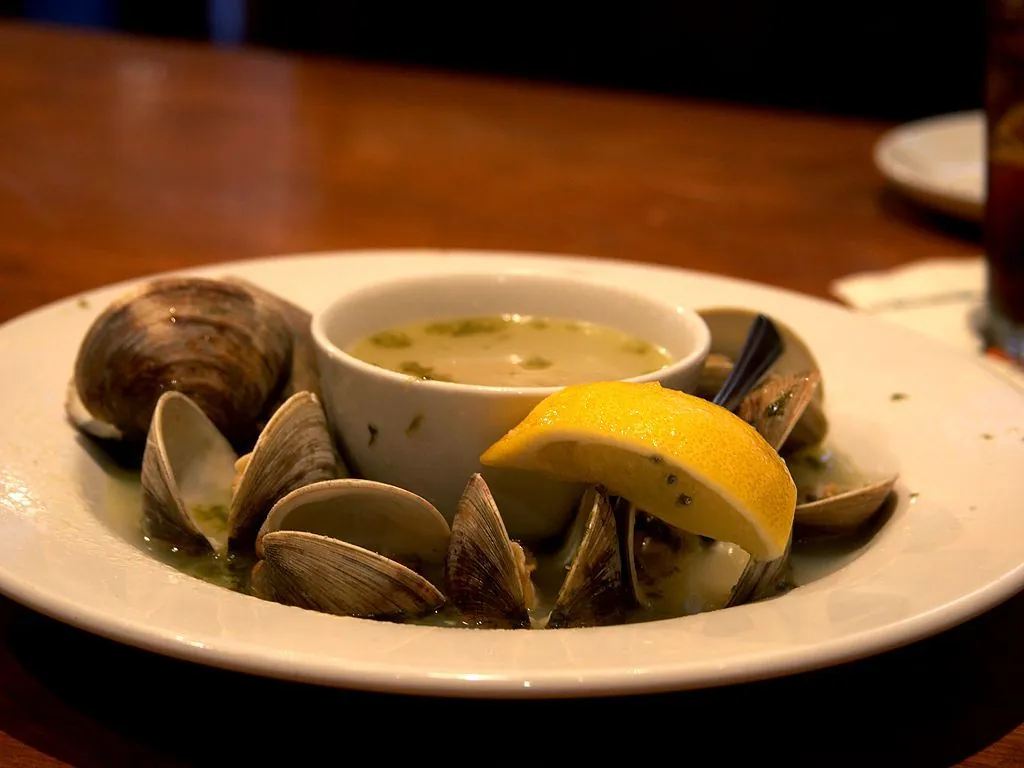
Use your nose first. Fresh fish smells mild and briny, never sour, ammonia-like or strongly fishy. Fillets and steaks should look moist and glossy with firm flesh that springs back when pressed, and no browning or drying at the edges. When buying whole fish, look for clear, bright, slightly bulging eyes, shiny skin and bright red gills.
Do not overlook frozen fish. Much of the seafood sold as fresh was frozen at some point, and fish frozen quickly after catch can be excellent. Choose packages that are solidly frozen, with no torn wrapping, frost build-up or white, dry patches, which are signs of freezer burn.
Shrimp are sold by count per pound: the lower the number, the bigger the shrimp. Labels such as large and jumbo are not standardized, so the count is the reliable guide. Larger shrimp are more forgiving because they take longer to overcook.
Scallops labeled dry are not treated with a phosphate solution, so they sear and brown beautifully. Wet-packed scallops hold extra water and tend to steam in the pan.
Clams, mussels and oysters should be alive when you buy them. Their shells should be closed, or close when tapped. Discard any with cracked or broken shells.
Lobster is sold live, as frozen tails, or as cooked, picked meat. A live lobster should be lively and heavy for its size; tails should be frozen solid with no gray, dried-out spots. Plan on one 1 1/4 to 1 1/2 pound lobster or one or two tails per person.
A whole lobster is mostly shell. Only about a quarter of its weight is meat, so a 1 1/2 pound lobster gives you roughly 6 ounces of picked meat. That is why lobster rolls and salads call for picked meat or tails, and why whole-lobster recipes plan on one lobster per person.
The chart from Lobster Anywhere shows how much meat to expect from each size of lobster, which helps when you are buying for a crowd or a clambake.
Where to buy seafoodLobster tails, giant shrimp and sea scallops shipped to your door by Lobster Anywhere, shipping fresh Maine lobster since 1999. See all our picks on where to buy seafood.
We may make money from the links on this page, but it doesn't affect what you pay.
Keep seafood cold from store to kitchen and refrigerate it at 40°F or below. Cook fresh fish and shellfish within a day or two, or freeze it. Store live clams and mussels in a bowl covered with a damp towel, not in a sealed bag or in water, so they can breathe.
The best way to thaw frozen seafood is overnight in the refrigerator. If you need it sooner, seal it in a plastic bag and submerge it in cold water, changing the water every 30 minutes; most fillets thaw in under an hour. Thawing in the microwave works if you cook the fish right away. Never thaw seafood on the kitchen counter.
Matching the fish to the cooking method is the biggest step toward great results.
| Type | Examples | Best methods |
|---|---|---|
| Lean, mild white fish | Cod, haddock, halibut, flounder, sole, tilapia, snapper, mahi-mahi | Baking with butter or sauce, poaching, steaming, sauteing, frying |
| Firm, meaty or oily fish | Salmon, tuna, swordfish, mackerel, bluefish | Grilling, broiling, roasting, blackening |
| Shellfish | Shrimp, scallops, lobster, crab, clams, mussels | Steaming, sauteing, grilling on skewers, baking |
The fish chart places two dozen common fish from lean to oily and delicate to firm, so you can see which ones can be swapped in a recipe.
A good starting point for fish is the 10-minute rule: about 10 minutes of cooking per inch of thickness, measured at the thickest point. Fish is done when it turns from translucent to opaque and separates easily with a fork, at an internal temperature of 145°F. Tuck thin ends of fillets under so the piece cooks evenly. For exact times, see fish cooking times by thickness and shrimp and scallop times.
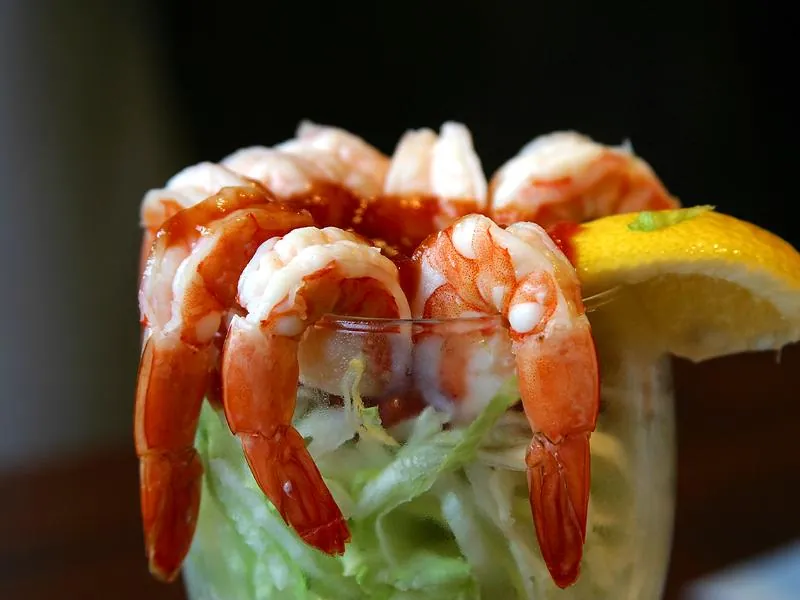
Put these basics to work with our seafood recipes, from a 30-minute baked shrimp to blackened tuna with mango salsa. For step-by-step directions on baking, broiling, frying, grilling, poaching, sauteing and steaming, see the cooking guide.