Steak Guide: Cuts, Doneness Temperatures and How to Cook Steak
A great steak comes down to three choices: the cut you buy, the heat you cook it over, and the moment you take it off. This guide covers all three, with a quick tour of the most popular steak cuts, a doneness chart with internal temperatures, and a simple method that works on the grill, under the broiler or in a skillet.
Popular steak cuts
See where each of these comes from on our beef cuts chart.
- Filet mignon (tenderloin)
- The most tender steak, very lean with a mild flavor. Best cooked quickly to rare or medium-rare over high heat. Because it has little fat, it is often wrapped in bacon or served with a sauce.
- Ribeye
- Heavily marbled with a rich, beefy flavor and a juicy texture. The fat makes it forgiving on the grill. Sold boneless or bone-in.
- Strip steak (New York strip)
- Cut from the short loin. Firmer than ribeye with a fine grain, good marbling and a strip of fat along one edge. A classic for grilling and pan-searing.
- T-bone and porterhouse
- Two steaks in one: a strip on one side of the bone and a piece of tenderloin on the other. The porterhouse is cut from farther back and has a larger tenderloin section.
- Top sirloin
- Lean, flavorful and reasonably priced. A good everyday grilling steak and the best value cut for kabobs, as in our Meal on Kabobs and Pirate Steak.
- Flat iron
- Cut from the shoulder. Surprisingly tender with deep flavor, and good grilled, broiled or pan-fried to medium-rare.
- Flank steak
- A long, flat, lean cut with pronounced grain and lots of flavor. It takes marinades well and must be sliced thin across the grain. It is the traditional choice for London Broil.
- Round steak and cubed steak
- Lean and economical cuts from the rear leg. They are best braised, stewed or baked in liquid, as in our Beef Steak and Potato Scallop and Shortcut Cubed Steak Stew.
Steak doneness temperature chart
The surest way to cook steak the way you like it is an instant-read thermometer inserted sideways into the thickest part. Steak keeps cooking for a few minutes after it leaves the heat, so take it off about 5°F below the final temperature you want.
| Doneness | Remove from heat | After resting | Center |
|---|
| Rare | 115°F to 120°F | 120°F to 125°F | Cool to warm, bright red |
| Medium-rare | 125°F to 130°F | 130°F to 135°F | Warm, red to deep pink |
| Medium | 135°F to 140°F | 140°F to 145°F | Warm, pink |
| Medium-well | 145°F to 150°F | 150°F to 155°F | Slightly pink |
| Well done | 155°F | 160°F and above | No pink |
The USDA safe minimum for beef steaks and roasts is 145°F followed by a 3-minute rest. Ground beef should always reach 160°F.
See what each one looks like inside on the steak doneness color chart, and how long each takes on the steak cooking times by thickness chart.
How to cook a steak
- Dry and season. Pat the steak dry with paper towels. A dry surface browns; a wet one steams. Season generously with salt and pepper.
- Get the heat high. Preheat the grill, the broiler or a heavy skillet, ideally cast iron, until very hot. For steaks thicker than 1 1/2 inches, set up a cooler zone where you can finish them gently.
- Sear. Lay the steak down and leave it alone until a deep brown crust forms, usually 3 to 5 minutes for a 1-inch steak. Turn it once.
- Check the temperature. Start checking a minute or two before you think it is done, and pull it about 5°F below your target.
- Rest and slice. Let the steak rest for 5 minutes on a board, then slice across the grain.
Grilling, broiling or pan-searing
Grilling gives the classic smoky char. Use direct high heat for steaks up to about 1 1/4 inches thick, and move thicker steaks to indirect heat to finish once they are well browned. Oil the grate, not the steak, to prevent sticking.
Broiling is grilling turned upside down and works well for flank steak and London broil. Keep the steak 2 to 4 inches from the element and watch it closely. Broilers vary a lot.
Pan-searing in a heavy skillet gives the best crust on tender cuts like filet, strip and ribeye. Add a little high-smoke-point oil, sear on both sides, and in the last minute add a spoonful of butter, a crushed garlic clove and a sprig of thyme, then tilt the pan and spoon the butter over the steak.
Marinades and tougher cuts
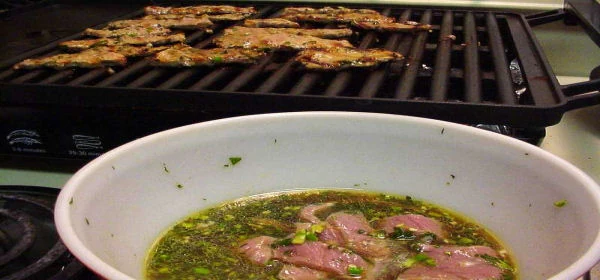
Marinades add flavor to every steak and help lean cuts like flank, skirt and round stay juicy. Acidic ingredients such as lemon juice and vinegar season the surface, while slicing thin across the grain does most of the tenderizing. Try our Butter and Lemon Beef Marinade on London broil or kabob meat. Always discard marinade that has touched raw meat, or boil it for a full minute before using it as a sauce.
Frequently asked questions
- What temperature is medium-rare steak?
- Medium-rare steak is about 130°F to 135°F after resting. Take it off the heat at about 125°F to 130°F, because the temperature keeps rising a few degrees as it rests.
- How long should a steak rest?
- Let steaks rest for about 5 minutes and roasts for 10 to 15 minutes before cutting. Resting lets the juices settle so they stay in the meat.
- What is the most tender cut of steak?
- Filet mignon, cut from the tenderloin, is the most tender. Ribeye and strip steak are slightly firmer but have more marbling and beefy flavor.
- Should I salt steak before cooking?
- Yes. Salt the steak shortly before cooking, or at least 40 minutes ahead so the salt has time to absorb. Pat the surface dry for the best sear.
- What does cutting against the grain mean?
- The grain is the direction the muscle fibers run. Cutting across them, not parallel to them, gives short fibers and a more tender bite. This matters most for flank, skirt and round steak.
Steak and beef recipes
All beef and steak recipes | Cooking guide and safe temperatures