
Large shrimp seared in a hot skillet, then tossed in a sticky glaze of gochujang, honey, soy sauce, rice vinegar and plenty of butter-sauteed garlic. Ready in about 25 minutes; serves 4.
Vegetarian with swapsLow-carbHigh-protein
Contains: milk, shellfish, wheat, soy, sesame. Based on the ingredients as written; check package labels, which can change.
Updated
Jump to: Ingredients | Instructions | Tips | Questions | Nutrition | Print recipe
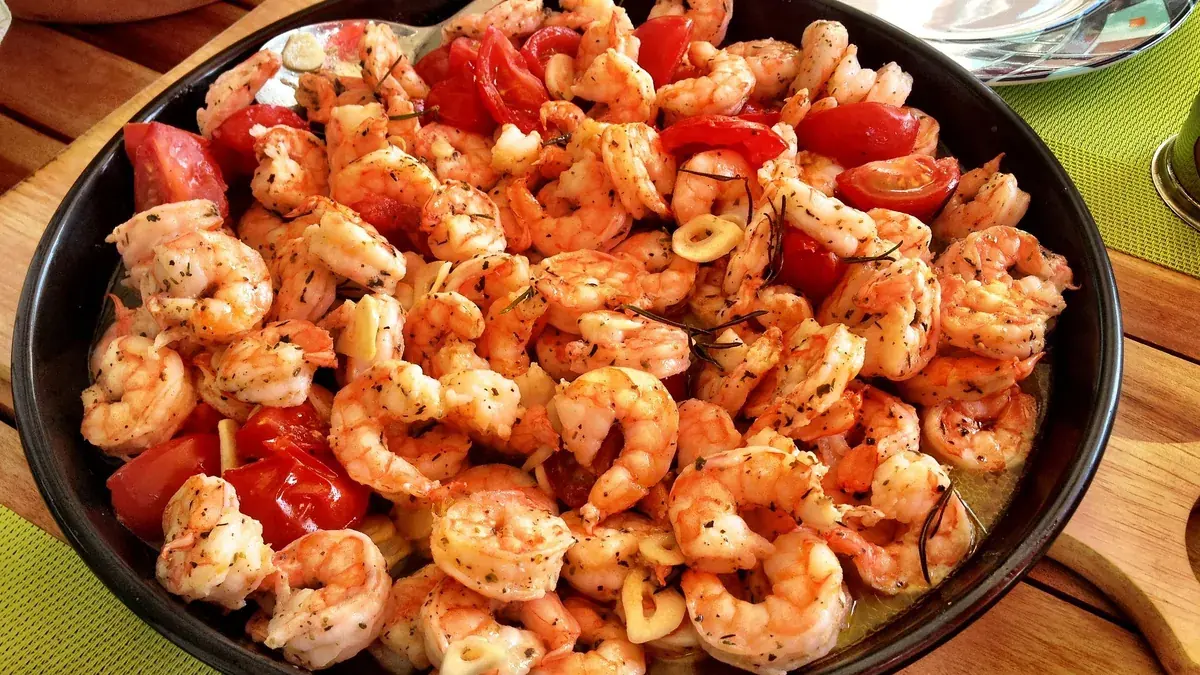
Gochujang, the Korean chili paste, makes an instant glaze: it is spicy, a little sweet and deeply savory all at once. Here it is balanced with honey and a splash of rice vinegar and poured over shrimp that have just been seared in a hot pan.
The whole dish takes less than 10 minutes on the stove. Serve it over rice, toss it with noodles, or set it out with toothpicks as an appetizer.
Estimated per serving, based on 4 servings, using USDA FoodData Central values for each ingredient. Net carbs are carbohydrates minus fiber. Optional ingredients, garnishes and anything served on the side are not included, and marinades are counted at about a third because most is discarded. Brands and portion sizes change the numbers.
Having trouble? See rubbery shrimp and sticking fish in our kitchen troubleshooting guide.
Printable: safe cooking temperatures chart (PDF).
Every bowl of bulgogi deserves a dramatic entrance. Our Seoul aprons from Shortsleeve.com come in three flavors: Seoul Food, Seoul Cooking and Seoul Kitchen, each with a cheerful chef and enough sizzle to make even kimchi fried rice feel like a cooking show. All are quick-drying with detachable straps, so gochujang splatters wash right out.
 Seoul Food Korean BBQ ApronA cheerful chef, sizzling grilled dishes and kimchi, for Korean barbecue night.Shop Seoul Food
 Seoul Cooking Chef ApronA grinning chef, flames and a pan full of flavor, for every bulgogi night.Shop Seoul Cooking
 Seoul Kitchen Cooking ApronStreet-food energy with a playful chef and a sizzling skillet.Shop Seoul Kitchen
Build the whole dinner: sides, sauce and dessert ›
Pairs with: an off-dry Riesling or Gewürztraminer, or a cold lager. Wine pairing guide
All Korean recipes | All recipes | Cooking guide and safe temperatures